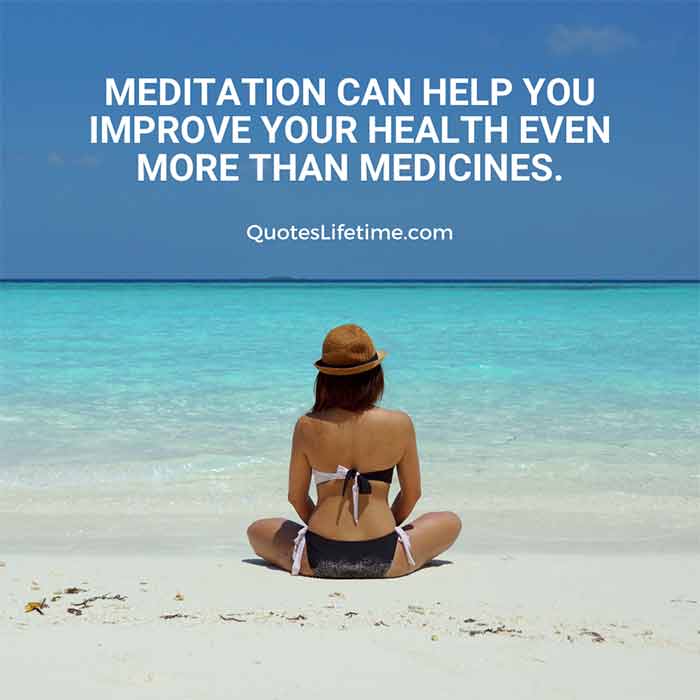
Meditation has been practiced for thousands of years. Meditation originally was meant to help deepen understanding of the sacred and mystical forces of life. These days, meditation is commonly used for relaxation and stress reduction. Meditation is considered a type of mind-body complementary medicine. Meditation can produce a deep state of relaxation and a tranquil mind. During meditation, you focus your attention and eliminate the stream of jumbled thoughts that may be crowding your mind and causing stress. This process may result in enhanced physical and emotional well-being.
Benefits of meditation
Meditation can give you a sense of calm, peace and balance that can benefit both your emotional well-being and your overall health. And these benefits don't end when your meditation session ends. Meditation can help carry you more calmly through your day and may help you manage symptoms of certain medical conditions. When you meditate, you may clear away the information overload that builds up every day and contributes to your stress. The emotional benefits of meditation can include: Gaining a new perspective on stressful situations, building skills to manage your stress, increasing self-awareness, focusing on the present, reducing negative emotions, increasing imagination and creativity, Increasing patience and tolerance.
Types of meditation
Meditation is an umbrella term for the many ways to a relaxed state of being. There are many types of meditation and relaxation techniques that have meditation components. All share the same goal of achieving inner peace. Ways to meditate can include: a) Guided meditation. Sometimes called guided imagery or visualization, with this method of meditation you form mental images of places or situations you find relaxing, b) Mantra meditation. In this type of meditation, you silently repeat a calming word, thought or phrase to prevent distracting thoughts, c) Mindfulness meditation. This type of meditation is based on being mindful, or having an increased awareness and acceptance of living in the present moment, d) In Transcendental Meditation, you silently repeat a personally assigned mantra, such as a word, sound or phrase, in a specific way.This form of meditation may allow your body to settle into a state of profound rest and relaxation and your mind to achieve a state of inner peace, without needing to use concentration or effort, e) Yoga. You perform a series of postures and controlled breathing exercises to promote a more flexible body and a calm mind. As you move through poses that require balance and concentration, you're encouraged to focus less on your busy day and more on the moment.